
Bezalila – Fair Trade Organisation
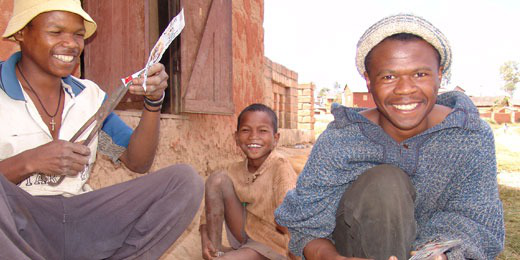
Bezalila is a remarkable fair trade organisation based in Madagascar that has been supporting artisans and preserving traditional craft skills for decades. Founded in 1994, Bezalila began as a cooperative created to unite small local workshops and provide sustainable employment for skilled craftspeople who were previously living in poverty. Today, the organisation works with around 18 workshops across Madagascar, helping hundreds of artisans earn reliable incomes through fair trade while keeping traditional craftsmanship alive. Bezalila is also a verified member of the World Fair Trade Organization, meaning the entire organisation is independently assessed to ensure it follows fair trade principles such as fair wages, safe working conditions, environmental care, and transparency in business practices. More information about WFTO verification can be found here: https://wfto.com/our-membership/
How did Bezalila Start?
The story of Bezalila actually began several years earlier. In 1986, representatives from a French development organisation called Service d’Entraide et de Liaison (S.E.L.) visited Madagascar as part of an aid programme. During their visit, a group of local women presented an exhibition of their handmade crafts, showcasing traditional Malagasy skills in weaving and artisan work. The quality and creativity of their work impressed the visitors so much that S.E.L. decided to send a craft specialist to Madagascar to help establish an export structure. This initiative allowed the artisans’ handmade products to reach international markets in Europe, creating new opportunities for income and independence. Over time, these small independent workshops were encouraged to form a cooperative network, which officially became Bezalila in 1994.
Their infamous Craft
One of Bezalila’s most distinctive crafts is the modelling of recycled tin cans, known locally as “Kapoaka.” Skilled artisans carefully transform discarded drink cans into beautifully detailed miniature vehicles and decorative objects. Among the most popular creations are handcrafted models of the classic Citroën 2CV car, a beloved French vehicle often compared to the Volkswagen Beetle in terms of cultural significance. Each piece is made entirely by hand using simple tools, demonstrating the extraordinary creativity and precision of the artisans. By using recycled materials, the Kapoaka craft also helps reduce waste and promotes environmentally responsible production.
The postives of Fair Trade for Kapoaka Artisans
Fair trade has had a truly meaningful impact on the lives of the artisans involved. Through the income generated by these workshops, many Kapoaka artisans have been able to build their own homes, purchase rice fields to support their families, and even establish small livestock farms such as pig-breeding projects that provide additional long-term income. In a country where a large proportion of the population relies on agriculture and informal work, fair trade partnerships like this can make a significant difference to economic stability. Sadly, according to global development data, Madagascar remains one of the world’s lower-income economies, making sustainable employment opportunities like those provided by Bezalila especially valuable (https://data.worldbank.org/country/madagascar).
What Bezalila makes today?
Today, Bezalila continues to create beautifully handcrafted products including woven items, wooden crafts, carved bone pieces, and their famous recycled tin models. Every item reflects the skill, creativity, and resilience of Malagasy artisans, while fair trade ensures that the people who make these products are treated with dignity and respect. By supporting organisations like Bezalila, customers are not only buying unique handmade crafts but also helping sustain livelihoods, protect traditional skills, and promote a more ethical global trading system. 🌍✨